

Reviewed By: Personal Injury Team Last Updated: June 29, 2026
Self-driving cars are all the rage these days, but many are unaware of the risks and liabilities that come with this futuristic feature. Self-driving technology is designed for safety and convenience, but it’s not always foolproof.
With technology advancing more and more every day, it’s important to know who is liable when these high-tech features are in use. If you find yourself in an accident involving a self-driving vehicle, Charleston’s own Hoffman Law Firm can help you get the compensation you deserve.
Read on to learn more.
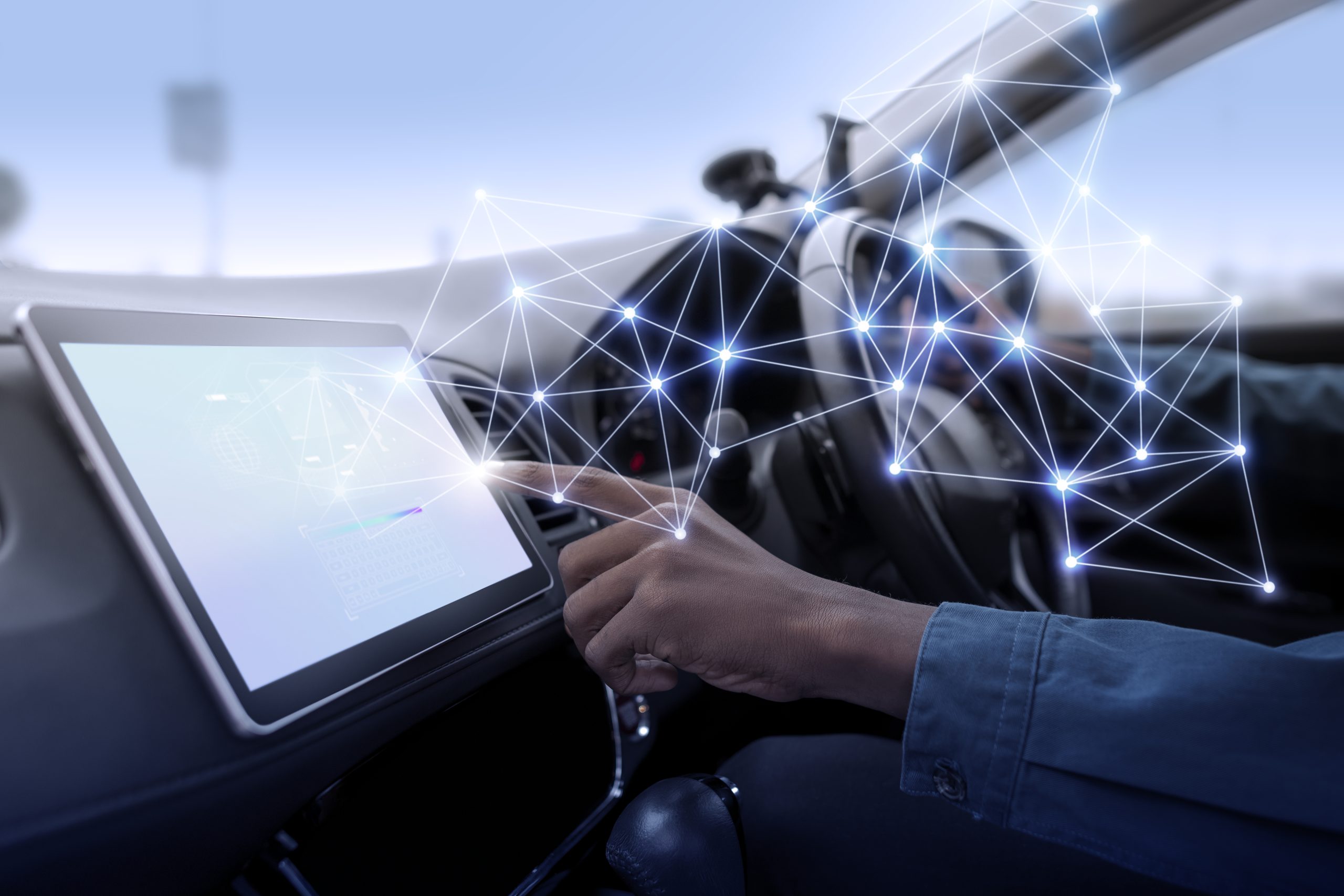
Are Self-Driving Cars Fully Driverless? Levels of Autonomous Driving
Many new vehicles come with a variety of safety features designed to help drivers during their travels. For most modern vehicles, “no automation” would be driving only with driver warnings turned on like emergency automatic braking and lane assist. This is considered level zero because the driver is still fully in control of the vehicle.
Level One
Level one automation involves the use of steering assistance or adaptive cruise control, but only when those two features are being used at separate times. This level still requires a highly attentive driver and the ability to quickly turn off driver assistance features when necessary.
Level Two
Level two refers to the partial automation of a vehicle by using steering assistance and adaptive cruise control at the same time. This level still requires a certain amount of driver attention, but not as much as the previous levels.
Level Three
Level three involves what is known as conditional driving automation. Consumers can choose to have the vehicle use this feature, but the vehicle is still the driver’s responsibility. Only some car manufacturers have clearance to make this level of automation.
Level Four
Level four automation is when your vehicle can drive without you in the driver’s seat. The vehicles can have pre-programmed routes in their computer system to know where to go without a driver. There are some self-driving taxis already on the road!
Level Five
Level five is considered a fully automated vehicle that can operate in all weather conditions with or without any passengers present.
Who is Liable in a Self-Driving Car Accident?
Car accident collisions almost always involve two drivers behind the wheel, leaving responsibility to fall on one of these drivers. However, who’s liable when one vehicle is driven by a human and the other is operating of its own accord?
The Human Element
Most self-driving vehicles operate, to the highest degree, on a level three basis. Human drivers are still required to supervise behind the wheel if something were to go wrong. If the driver ignores the warning signs from the vehicle or is too distracted, the driver may be held liable for a self-driving accident.
Manufacturer Error
Self-driving vehicles are only as reliable as the manufacturer who created them. The manufacturer has a responsibility to deliver a safe model, which includes inspecting for potential hazards and issues, and properly testing the vehicles before they hit the road.
Any breach of these duties could lead to liability for an accident. If you have been the victim of a self-driving car accident, or a car accident involving a product defect or negligence, contact a Charleston car accident lawyer today.
Software Glitch Gone Wrong
Driverless vehicles can extend past the vehicle manufacturer and into the company that designed the software. For example, software within the vehicle designed to detect another vehicle in front of you may glitch and fail to recognize an oncoming hazard, causing a collision.
In this case, a flaw in the software may hold the software company itself liable for the crash.
Self-driving car accidents can be tricky when it comes to placing responsibility and blame–that’s why it’s crucial to have help from one of the top law firms in Charleston, SC.
Risk of Self-Driving Cars
While self-driving technology is only going to increase in popularity, there are risks involved when it comes to self-driving cars.
False Sense of Security
Self-driving cars can give drivers a false sense of security. Relying on automated safety features or driving options can lead to drivers taking their eyes off the road or being less attentive during the drive.
Technology Flaws
Even with the luxury of automated safety features and self-driving technology, there’s still room for error. This technology isn’t perfect and might be subject to malfunction. This could mean steering assistance or adaptive cruise control suddenly disengaging or auto-pilot features failing to brake, leading to the vehicle suddenly losing control or crashing into an object.
Beware of Hackers
Advanced computer systems in self-driving cars can also be vulnerable to cyber-attacks. If a hacker takes over a vehicle’s computer system, the driver is no longer in control and can lead to a potentially dangerous situation.
Navigating Real-Life Driving Scenarios
The split-second changes in road conditions, weather, and driver behaviors are all aspects of the road that are hard to genuinely program into self-driving technology. While many autonomous safety features are pretty intuitive, there are major benefits to relying on a driver’s true reaction to avoid a potentially dangerous situation.
The Laws for Self-Driving Cars in South Carolina
Self-driving vehicles continue to grow closer to reality as companies work towards a fully autonomous form of transportation. While the risks they present have caused a speed bump (or two) along the way, it’s important to understand the laws surrounding driverless cars.
Is there current legislation for self-driving cars in South Carolina?
South Carolina is one of few states to dip their toe in the water of self-driving vehicle legislation. Current South Carolina laws only address the use of automated driving technology regarding commercial vehicles. However, everyday self-driving private passenger vehicles remain unregulated.
Consult a car accident lawyer near you for more information on self-driving vehicle legislation and how we can help in the case of an accident.
What to Do If an Accident Occurs
If you’ve been in an accident that potentially involves a self-driving car, approach the situation just like you would any other car accident.
Remain calm, check for injuries, and then call 911. Make sure your vehicle is out of the way of traffic and wait for the authorities to arrive. Answer any and all questions asked by the police officer creating the report and remember to get their name and badge number for your own personal documentation.
Exchange numbers and information with the other drivers involved, and take pictures and videos of your damage, the other involved vehicles, the road conditions, and the surrounding location of the accident. Be sure to seek medical attention as soon as possible, even if you don’t believe you were injured.
For Legal Advice on Auto Accidents, Contact Hoffman Law Firm Today!
Self-driving technology is a new development in the automotive industry and is increasingly becoming more common on the road. In the event of an accident, let our trusted team at Hoffman Law Firm navigate the many details of your case involving a self-driving vehicle.
Plus, you only pay us if we win your case.
Located in Charleston and Georgetown, SC, we support accident victims throughout the Palmetto State. We have established a reputation for success, as well as great service! To meet with a member of our team, schedule your free consultation today. Hoffman Law Firm is here to help!
Our personal injury law firm offers trusted legal representation right here in the Lowcountry, including these practice areas:
- Car Accident
- Truck Accident
- Motorcycle Accident
- Wrongful Death
- Brain Injury
- Spinal Cord Injury
- View All Practice Areas
Other Helpful Auto Accident Blogs:
- Are Driver Assistance Technologies Preventing Car Accidents?
- Do I Need to See a Doctor After a Minor Car Accident?
- Filing a Wrongful Death Claim After a Fatal Car Accident
- How Long Does Whiplash Last After A Car Crash?
- How To Get Compensation For PTSD After A Car Accident?
- How To Properly Change Lanes And Avoid A Car Accident
- How to Request Changes to an Accident Report in South Carolina
- Is Jaywalking Illegal in South Carolina?
- Pedestrian Traffic Laws in South Carolina
- Should I Speak To My Insurance Company After A Car Accident?
- What to Do If Your Car Accident Claim Is Denied
- Who Pays Your Medical Bills After a Car Accident?
- What to Do After A Hit and Run in Charleston
- What Damages Can You Recover After A Car Accident?
- Who’s At Fault In an Accident Caused By Weather?
- 3 Reasons to Hire a Charleston Car Accident Attorney
- View More Helpful Blogs
Sources
- NHTSA Automation Standards: The Society of Automotive Engineers (SAE) J3016 standard, officially adopted by the National Highway Traffic Safety Administration (NHTSA), defines the six distinct levels of vehicle automation (Levels 0 through 5).
- South Carolina Code of Laws § 56-5-1930: Current state statutes explicitly address automated driving technologies only as they apply to commercial motor vehicle platooning operations, leaving private passenger autonomous vehicles largely unregulated.
- NHTSA Automated Driving Systems Data: The federal government actively monitors and collects crash data for vehicles operating with Level 2 through Level 5 Automated Driving Systems (ADS) to evaluate manufacturer liability and software safety.
Learn More About Car Accident Claims in Charleston
- What should I do immediately after a collision? Read our comprehensive, step-by-step guide on What to Do After a Car Accident in Charleston to ensure your rights and medical needs are fully documented at the scene.
- How is fault determined when vehicle technology fails? Discover how South Carolina’s liability laws apply to manufacturing defects and mechanical failures in our detailed breakdown of Defective Products and Auto Accidents.
- Wondering about the costs of hiring an attorney? Learn more about our client-first approach and how our Contingency Fee Structure ($0 Upfront Fee) works—meaning you pay absolutely nothing unless we successfully win your case.
Disclaimer: This content is for informational purposes only and does not constitute legal advice. Laws regarding self-driving vehicles may change and vary by situation. Reading this page does not create an attorney-client relationship. For advice specific to your case, contact Hoffman Law Firm directly.

